How to Use Yellow Sticky Traps for Industrial Pest Control
Having spent more than a decade deep in the trenches of industrial equipment maintenance and facility management, I've come across a variety of pest control methods—some clever, others just, well, gimmicks. yellow sticky traps definitely fall into the clever camp and deserve a spot in your toolkit if you’re serious about monitoring and managing flying insect pests.
Oddly enough, these simple sheets coated with a sticky adhesive aren’t just cheap and disposable; they’re a surprisingly effective way to keep tabs on what’s buzzing around your industrial spaces. It feels a bit retro, yet with modern tweaks—like UV resistance and stronger adhesives—they're quite robust. I remember one warehouse operation struggling with a persistent fly problem, and after placing these traps in strategic spots, we actually traced the issue back to a moisture problem they hadn’t spotted. You know, it's not just about trapping insects; it’s a diagnostic tool.
So how do you actually use these sticky traps for industrial applications? Let’s break it down.
Placement and Setup
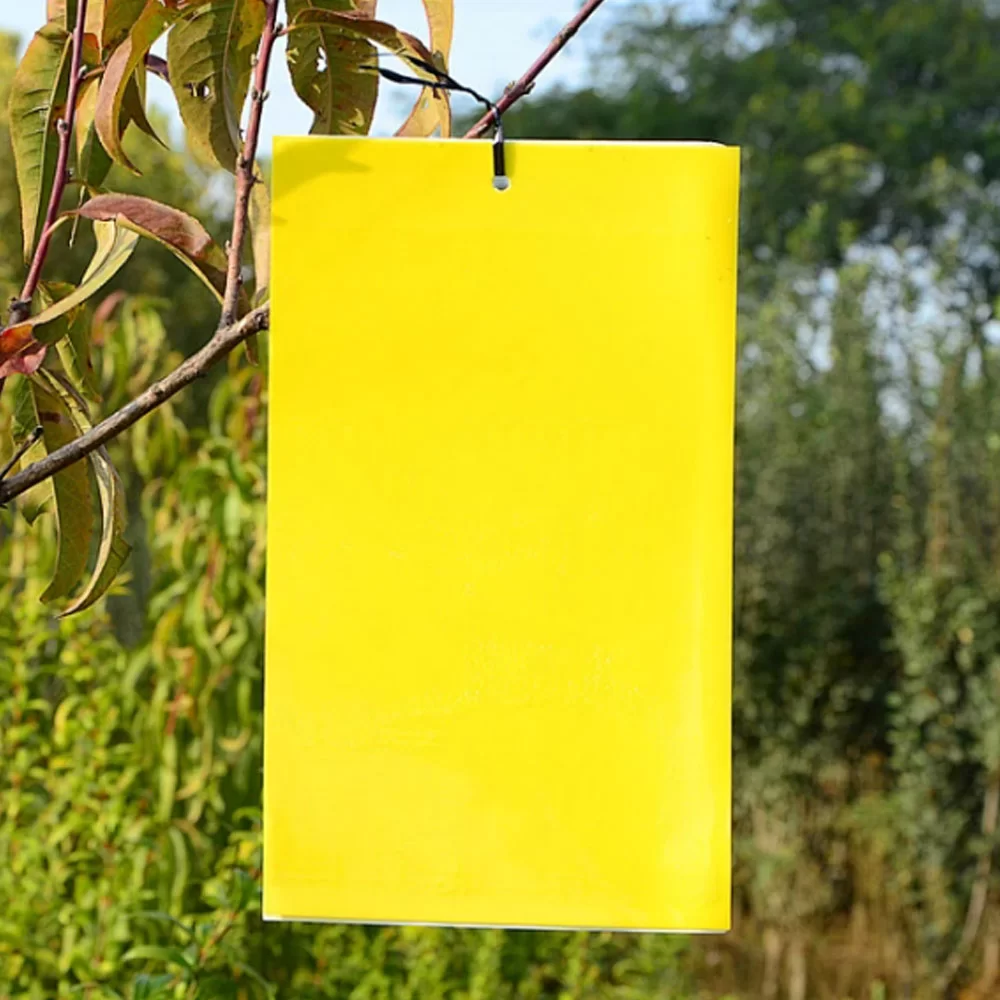
First, positioning is everything. In real terms, you want to place the traps where insects are most active: near loading docks, waste disposal areas, entry points, or any light fixtures if that’s where bugs seem to congregate. The rule of thumb I stick to? Put traps at a height of about 1.2 to 1.5 meters—roughly eye level—because many flying pests like flies and leafhoppers tend to operate around this zone.
Make sure the traps face bright areas—yellow is attractive to many pest species because it mimics pollen and flowers—so placing them close to light sources or near windows is effective. But don’t position traps where they’d get covered by dirt or industrial dust, or they’ll lose their stickiness fast.
Understanding the Material
The traps are typically made from heavy cardstock or plastic, coated with a long-lasting, non-toxic adhesive. This adhesive is tough enough to grab bugs without dripping or messing up nearby surfaces. In industrial spaces, that resilience is critical over days or even weeks, depending on the trap’s lifespan.
Some manufacturers add UV inhibitors to the yellow tint so colors don’t fade under harsh warehouse lighting. You’ll notice this especially if the traps stay up for more than a month.
Advantages Over Other Methods
You might ask, why not just use insecticides or electronic bug zappers? Well, sticky traps have their perks. For one, they're chemical-free, so perfect for food processing plants and clean rooms. Also, they're silent and energy-efficient, requiring no power source.
Plus, they provide a visual record of insect populations. With a quick glance, maintenance crews can tell if fly numbers are rising or if other unwanted critters are cropping up. It’s a straightforward way to track pest control effectiveness without expensive devices.
Product Specification Table
| Feature |
Specification |
| Dimensions |
15 cm x 25 cm sheets |
| Adhesive Type |
Non-toxic, solvent-based tack |
| Color |
Bright yellow with UV inhibitor |
| Lifespan |
Up to 6 weeks in industrial conditions |
| Application |
Indoor/outdoor (sheltered) |
Vendor Comparison at a Glance
| Vendor |
Adhesive Strength |
UV Resistance |
Cost per Sheet |
Recommended Use |
| HB Archerfish |
High |
Yes |
$0.75 |
Food processing, warehouses |
| StickyCatch Pro |
Medium |
Limited |
$0.60 |
General use |
| PestTrap Classic |
Low |
No |
$0.50 |
Short-term indoor |
A Quick Word on Disposal and Replacement
After a few weeks (or when the traps get covered with enough insects), it’s time to swap them out. Disposal is straightforward—just toss them in appropriate waste bins. Many folks overlook this, but regular replacement keeps effectiveness high and helps avoid any build-ups that attract other pests or create hygiene issues.
Honestly, in my experience, yellow sticky traps are one of those “small investment, high return” items that don’t get enough credit. They fit nicely alongside other pest control measures, especially in tight industrial environments where chemicals or sprays aren’t always feasible.
Ultimately, this is pest monitoring you can trust because you see it in plain sight—you’re not guessing what's lurking under the machinery or behind the panels.
Bottom line? Give these traps a place in your pest management plan; it’s often a game-changer in practice.
References:
1. Industrial Pest Control Guidelines, National Pest Management Association (NPMA)
2. HB Archerfish Product Documentation, 2024
3. Field Observations, Industrial Equipment Maintenance Journal, 2018-2023