duke live traps represent a critical solution in wildlife management, pest control, and ecological research. These humane devices allow for the capture and relocation of animals without causing undue harm, contributing to both animal welfare and ecosystem health. Understanding their design, applications, and best practices is paramount for professionals and enthusiasts alike seeking effective and ethical animal management strategies. The increasing need for non-lethal solutions is driving innovation and wider adoption of duke live traps globally.
The global demand for effective animal control solutions is growing, fueled by factors like urbanization, habitat loss, and concerns about public health and safety. Traditional methods often prove ineffective or raise ethical concerns, leading to a greater emphasis on humane capture techniques. duke live traps offer a viable alternative, aligning with evolving societal values and increasingly stringent regulations surrounding animal welfare. Their versatility and adaptability make them suitable for diverse environments and target species.
Proper implementation of duke live traps requires a thorough understanding of animal behavior, local regulations, and responsible release protocols. Ignoring these aspects can diminish effectiveness and potentially harm both the animal and the surrounding environment. Investing in quality traps and ongoing training ensures optimal performance and minimizes negative impacts. The focus now extends beyond simply capturing animals to ensuring their safe and successful relocation or rehabilitation.
Introduction to duke live traps
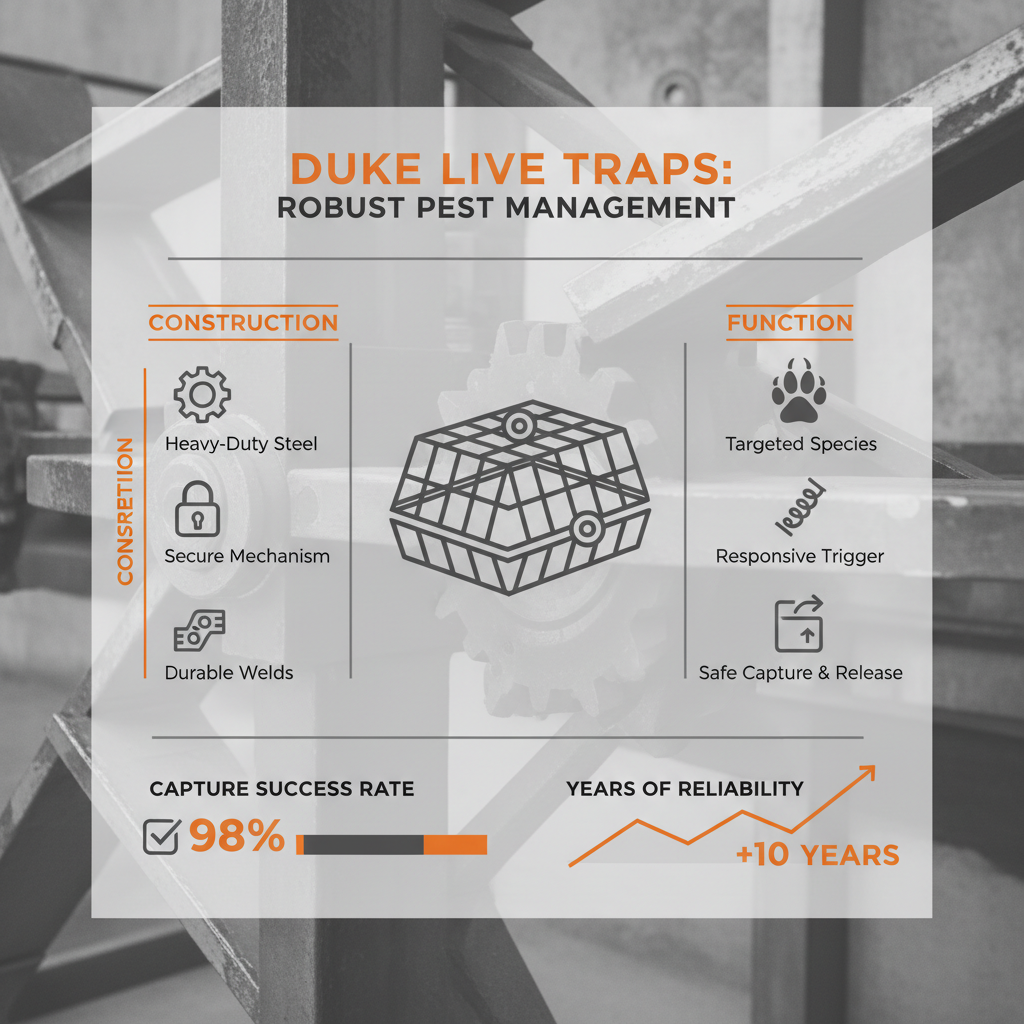
duke live traps are engineered for reliable and humane animal capture, serving as a cornerstone of responsible wildlife management. Their construction focuses on minimizing stress to the animal during confinement, ensuring its well-being until relocation or further assessment. The materials used are chosen for durability and resistance to environmental factors, maximizing the lifespan and effectiveness of the trap.
The selection of the appropriate duke live trap depends on the target species, the environment, and the specific goals of the capture operation. Different models cater to varying animal sizes and behavioral patterns. Understanding these nuances is crucial for successful and ethical implementation. Proper maintenance and cleaning protocols are also vital to prevent disease transmission and maintain optimal performance.
Defining duke live traps
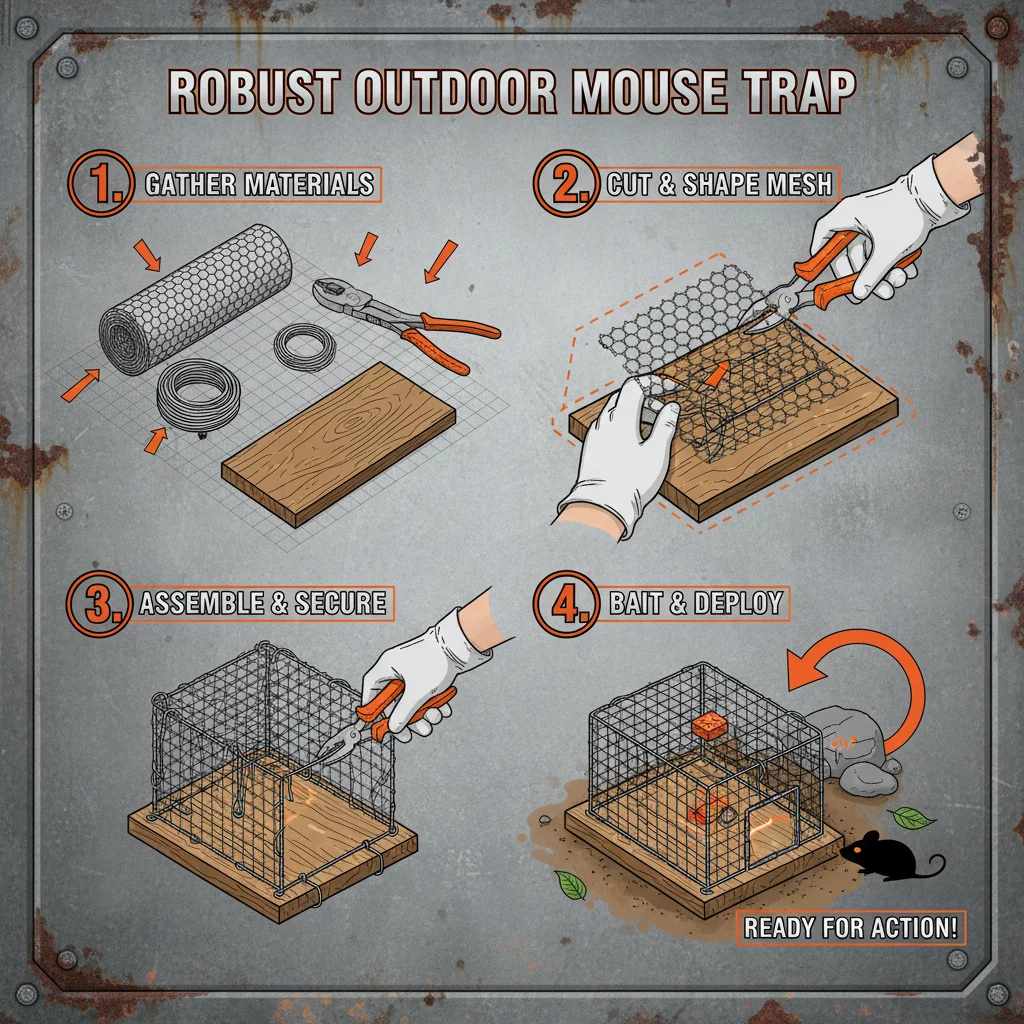
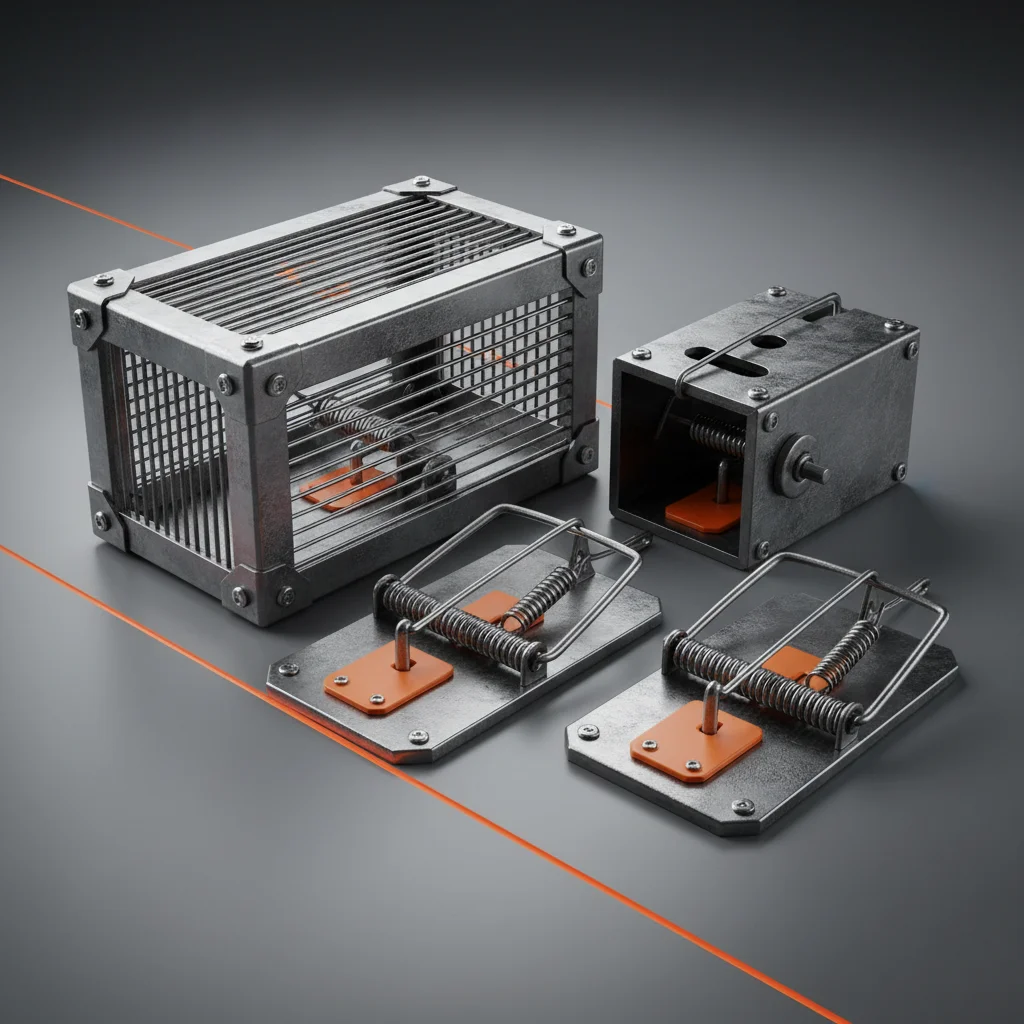
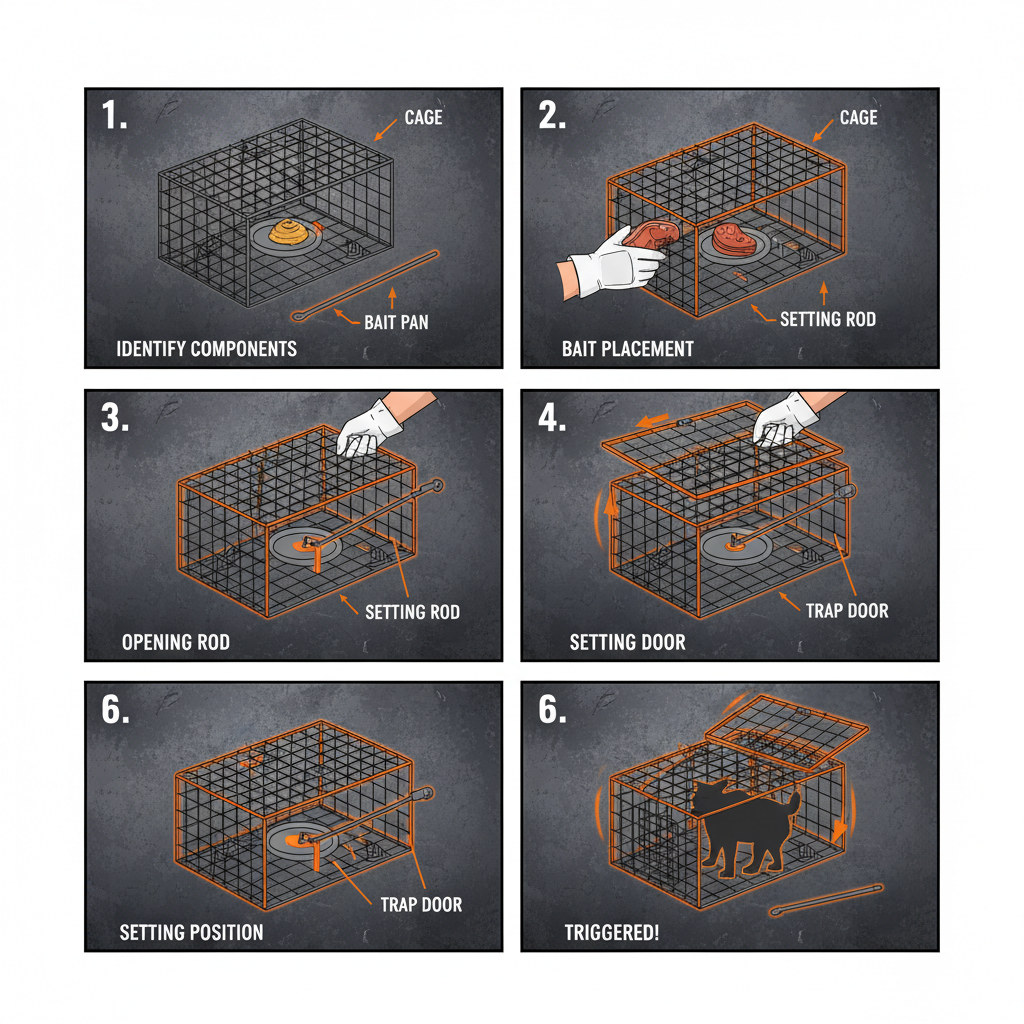
duke live traps, fundamentally, are enclosed devices designed to capture animals without inflicting physical harm. They typically consist of a cage-like structure with a spring-loaded door that closes when an animal enters, triggered by a bait or plate mechanism. The defining characteristic is the ability to retain the animal securely, allowing for observation, relocation, or release.
This method contrasts sharply with traditional trapping techniques that often rely on lethal means. duke live traps align with modern conservation efforts and ethical considerations, recognizing the intrinsic value of wildlife. Their use is increasingly regulated to ensure responsible application and minimize unintended consequences.
The effectiveness of a duke live trap is not solely defined by its physical design, but also by the user’s knowledge of animal behavior and adherence to best practices. Successful capture relies on proper bait selection, strategic trap placement, and consistent monitoring. duke live traps have become an indispensable tool in a wide range of applications.
Core Components of duke live traps
The durability of duke live traps is paramount. They are typically constructed from heavy-gauge wire mesh and robust metal frames, ensuring they can withstand repeated use and harsh environmental conditions. Quality materials prevent warping, bending, or breaking, maintaining the integrity of the trap and preventing escapes.
Sensitivity in the trigger mechanism is another key component. A well-designed trigger plate or bait holder ensures that the door closes reliably with minimal disturbance, preventing the animal from being startled or injured. Adjustability allows the user to fine-tune the sensitivity to suit the size and behavior of the target species.
Portability and ease of use are critical for field applications. duke live traps are often designed to be lightweight and foldable, facilitating transportation and deployment in remote areas. Simple latching mechanisms and clear operating instructions enhance user-friendliness, minimizing setup time and reducing the risk of errors. Proper ventilation is also an essential aspect, ensuring the animal receives adequate airflow while confined.
Global Applications of duke live traps
duke live traps are utilized extensively in wildlife research, allowing scientists to capture and study animals in their natural habitats without causing significant harm. These data are crucial for understanding population dynamics, migration patterns, and the impact of environmental changes.
Urban pest control benefits significantly from the use of duke live traps. The humane removal of nuisance animals like raccoons, opossums, and skunks minimizes property damage and reduces the risk of disease transmission in populated areas. In post-disaster relief operations, these traps can be used to safely manage displaced wildlife.
In remote industrial zones, duke live traps are employed to mitigate human-wildlife conflict, protecting infrastructure and personnel. From safeguarding agricultural crops to preserving endangered species, the applications are diverse and critical for maintaining ecological balance.
Effectiveness of duke live traps by Application
Advantages & Long-Term Value
duke live traps offer a significant cost advantage over traditional pest control methods that may require ongoing chemical treatments or lethal removal services. The initial investment in a quality trap is often offset by the long-term savings associated with reduced reliance on external services.
From a sustainability perspective, duke live traps promote responsible wildlife management, minimizing harm to non-target species and preserving biodiversity. Their reusability reduces waste compared to single-use traps or poisons, contributing to a more environmentally friendly approach.
Future Trends in duke live traps
Smart trapping systems, incorporating remote monitoring and automated data collection, are poised to revolutionize the field. These technologies allow for real-time tracking of trap activity, enabling more efficient deployment and minimizing the time animals spend confined.
The development of biodegradable trap materials and more humane trigger mechanisms are also gaining traction. These innovations further enhance the ethical and environmental sustainability of duke live traps. Integration with AI powered species identification may further increase efficiency.
Greater emphasis on non-target species deterrence will become crucial, employing techniques like selective baiting and trap shielding to minimize unintended captures. This focus on precision and selectivity will ensure that duke live traps remain a responsible and effective tool for wildlife management.
Challenges & Innovative Solutions
A common challenge is ensuring proper animal handling and relocation. Animals can experience stress during capture and confinement, necessitating prompt and careful release in suitable habitats. Lack of knowledge regarding local regulations and release protocols can lead to legal issues or ecological damage.
Innovative solutions include developing standardized training programs for trap operators, providing clear guidance on animal handling and release procedures, and collaborating with wildlife agencies to identify appropriate relocation sites.
Another hurdle is addressing the issue of trap shyness, where animals learn to avoid traps after a negative experience. Employing camouflage techniques, varying trap placement, and using attractive but non-harmful baits can help overcome this obstacle. duke live traps continue to be refined for optimal effectiveness.
Summary of Duke Live Trap Challenges and Solutions
| Challenge |
Impact on Effectiveness |
Proposed Solution |
Implementation Cost (1-10) |
| Animal Stress |
Reduced capture success |
Humane trap design, quick check intervals |
3 |
| Illegal Relocation |
Ecological disruption, legal penalties |
Collaboration with wildlife authorities |
5 |
| Trap Shyness |
Decreased capture rates |
Trap camouflage and bait rotation |
2 |
| Non-Target Captures |
Ethical concerns, wasted resources |
Selective baiting and trap shielding |
4 |
| Weather Damage |
Trap malfunction, escapes |
Durable materials and protective covers |
6 |
| Lack of Training |
Improper use and potential harm |
Standardized training programs |
7 |
FAQS
For raccoons, a duke live trap measuring approximately 32" x 12" x 12" is generally recommended. This size provides ample space for the raccoon to enter and turn around comfortably without causing undue stress. Larger traps can be used, but smaller ones may result in the animal feeling confined and potentially becoming more aggressive. Always check local regulations regarding trap sizes.
You should check your duke live trap at least twice a day – once in the morning and once in the evening. Prolonged confinement can cause significant stress and dehydration for the captured animal. Regular checks also help to ensure that non-target species are released promptly and that the trap remains in good working order. Checking more frequently in extreme weather is advisable.
The best bait depends on the target species. For raccoons, popular options include marshmallows, canned tuna, or sweet corn. For squirrels, peanut butter, nuts, and seeds work well. For skunks, peanut butter smeared on bread is often effective. Always research the preferred foods of the animal you’re trying to capture and use fresh bait for optimal results.
Relocation regulations vary significantly by location. In many jurisdictions, it is illegal to relocate animals without a permit, as this can spread disease and disrupt existing ecosystems. Always check with your local wildlife agency or animal control department to determine the legal requirements for relocating an animal captured in a duke live trap. Some areas require humane euthanasia if relocation is not permitted.
To minimize stress, cover the trap with a blanket or tarp to provide shade and reduce visual stimuli. Place the trap in a sheltered location away from direct sunlight, wind, and noise. Avoid handling the trap unnecessarily, and handle the animal with care during release. Promptly release the animal in a suitable habitat.
After each use, thoroughly clean the duke live trap with hot water and a mild detergent. Rinse well to remove any soap residue. Disinfect the trap with a solution of one part bleach to 32 parts water, allowing it to air dry completely before reuse. This helps to prevent the spread of disease and maintain the trap's hygiene.
Conclusion
duke live traps represent a significant advancement in humane animal management. Their versatility, durability, and ethical design make them an indispensable tool for wildlife professionals, pest control operators, and researchers alike. By prioritizing animal welfare and responsible implementation, we can leverage these devices to mitigate human-wildlife conflict and preserve biodiversity for future generations.
The future of duke live traps lies in continuous innovation, incorporating smart technologies and sustainable materials to enhance their effectiveness and minimize environmental impact. Continued education and adherence to best practices are paramount to ensure these tools are used responsibly and ethically. For more information and to explore our range of duke live traps, visit our website: www.hbarcherfish.com