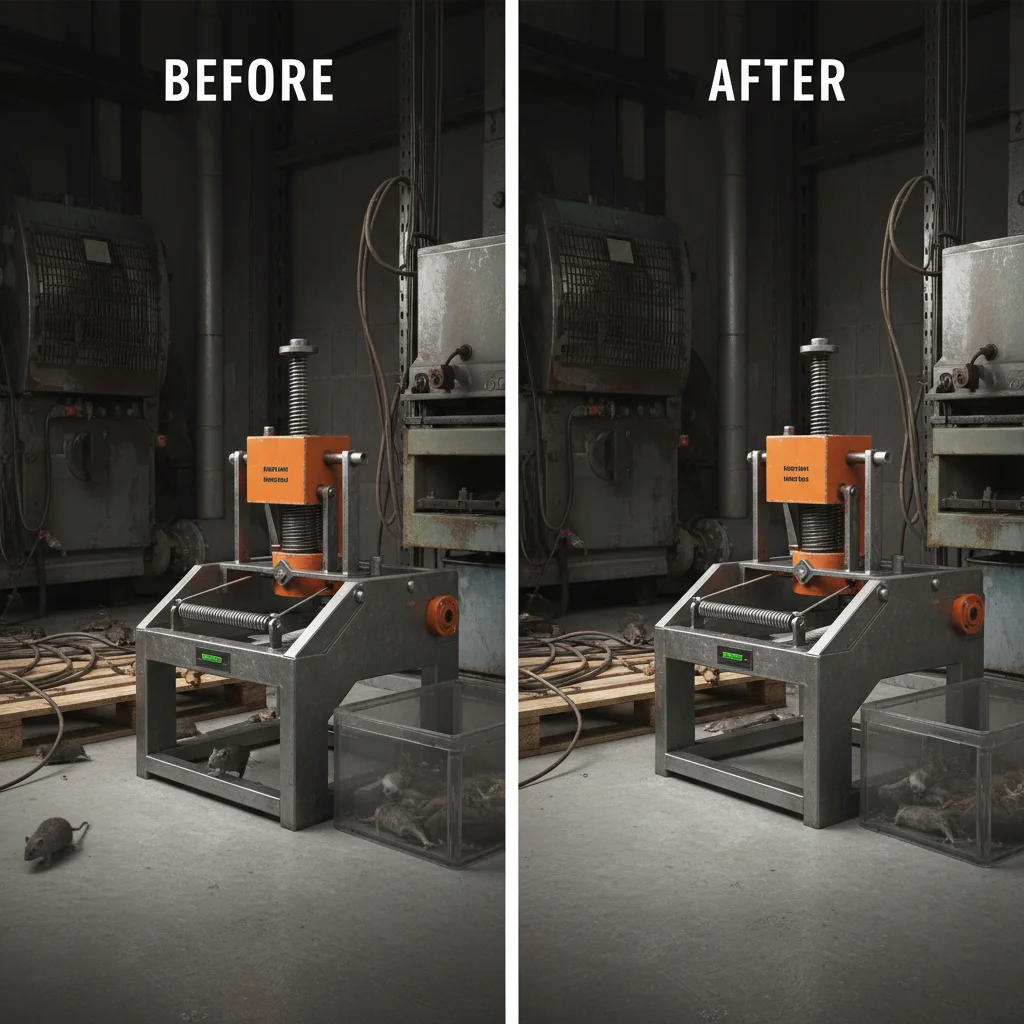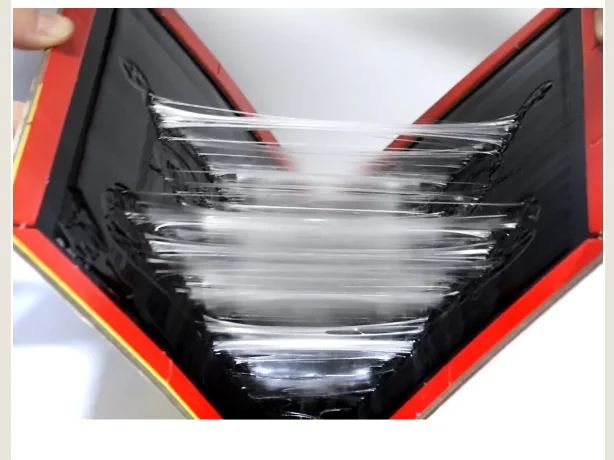
The global need for effective pest control is undeniable, impacting agriculture, public health, and economic stability. A critical component of this control is the humble, yet vital, rat trap. From safeguarding food supplies to preventing the spread of disease, efficient rat control is a cornerstone of modern civilization. Understanding the nuances of different rat trap designs and deployment strategies is therefore essential for professionals and individuals alike. Historically, rat control relied on rudimentary and often inhumane methods. However, advancements in materials science, engineering, and ecological understanding have led to the development of sophisticated rat trap systems. These modern traps prioritize effectiveness, safety, and humane treatment, minimizing harm to non-target species and ensuring sustainable pest management. The increasing urbanization and globalization contribute to the spread of rat populations, making consistent and adaptable rat trap solutions increasingly important.
You know, been running around construction sites all year, dust in my teeth, smelling cement. Lately, everyone's talking about pre-fabricated components, modular builds. Seems like every other engineer is sketching something up on a tablet. It's the speed, they say. Speed and, frankly, less headache finding skilled labor. To be honest, it's a bit of a scramble trying to keep up. But honestly, it's not all sunshine and roses. A lot of these designs… they look good on paper, but then you get on site and realize they haven’t thought about how a guy with gloves is actually gonna handle this stuff. Have you noticed how many things are designed by people who've never actually, you know, built anything? It’s frustrating. It all comes down to materials, doesn't it? We’re using a lot more high-density polyethylene (HDPE) these days. It’s tough stuff, smells faintly of plastic, and you need a good sharp blade to cut it cleanly.