Advancements in Animal Trap Technology for Diverse Applications

0%

Table of Contents

Animal traps, often associated with wildlife management or pest control, represent a surprisingly versatile tool with applications extending far beyond their traditional scope. Increasingly, the principles behind effective and humane animal trap design are informing innovations in disaster relief, remote infrastructure monitoring, and even security systems. Understanding the core mechanics, materials, and ethical considerations surrounding animal trap technology is crucial for professionals across diverse fields seeking sustainable and impactful solutions. The development and application of animal trap is a vital field, touching upon conservation, humanitarian aid, and technological advancement.

The global relevance of animal trap stems from a growing need for adaptable and reliable systems in challenging environments. From tracking endangered species to protecting agricultural yields, the ability to remotely and efficiently manage interactions with wildlife is paramount. Simultaneously, the rise of unpredictable weather patterns and increased geopolitical instability demand resilient infrastructure and proactive safety measures – areas where animal trap technology can contribute significantly. The increasing demand for sustainable and ethical approaches further drives innovation within this field.

Furthermore, advancements in materials science and sensor technology are propelling the evolution of animal trap beyond simple capture mechanisms. Integration with IoT devices and AI-powered analytics enables real-time data collection, predictive maintenance, and optimized resource allocation, amplifying the utility and impact of these systems across various sectors.


animal trap

The Evolution of animal trap

animal trap

Historically, animal trap were crude mechanisms designed primarily for hunting and resource acquisition. However, over centuries, they’ve undergone a significant transformation, driven by ethical considerations, advancements in material science, and a broadening range of applications. Modern animal trap now prioritize humane capture techniques, utilizing non-lethal designs and remote monitoring systems.

The evolution reflects a shift from exploitative practices to sustainable management and conservation efforts. Contemporary animal trap designs often incorporate features like selective triggering mechanisms, minimizing harm to non-target species, and data logging capabilities for research purposes.

Defining Animal Trap

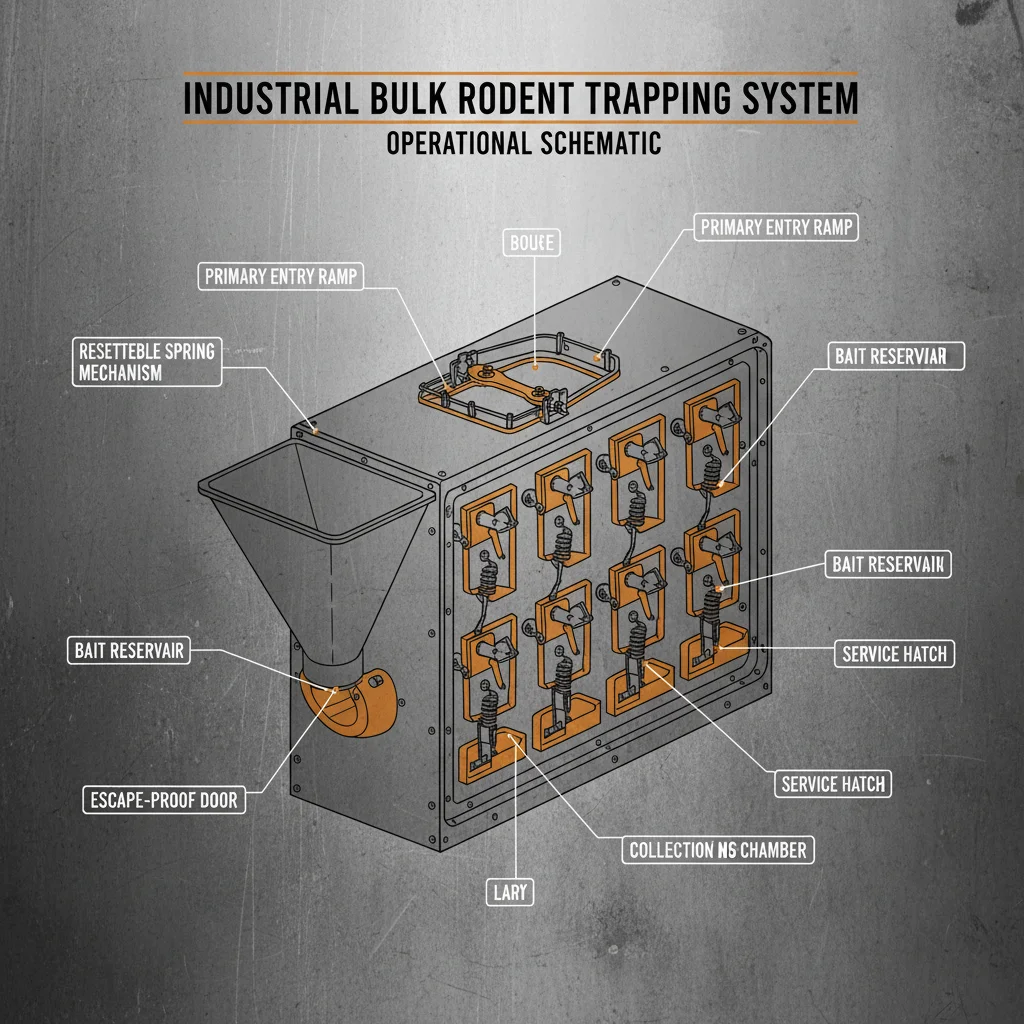
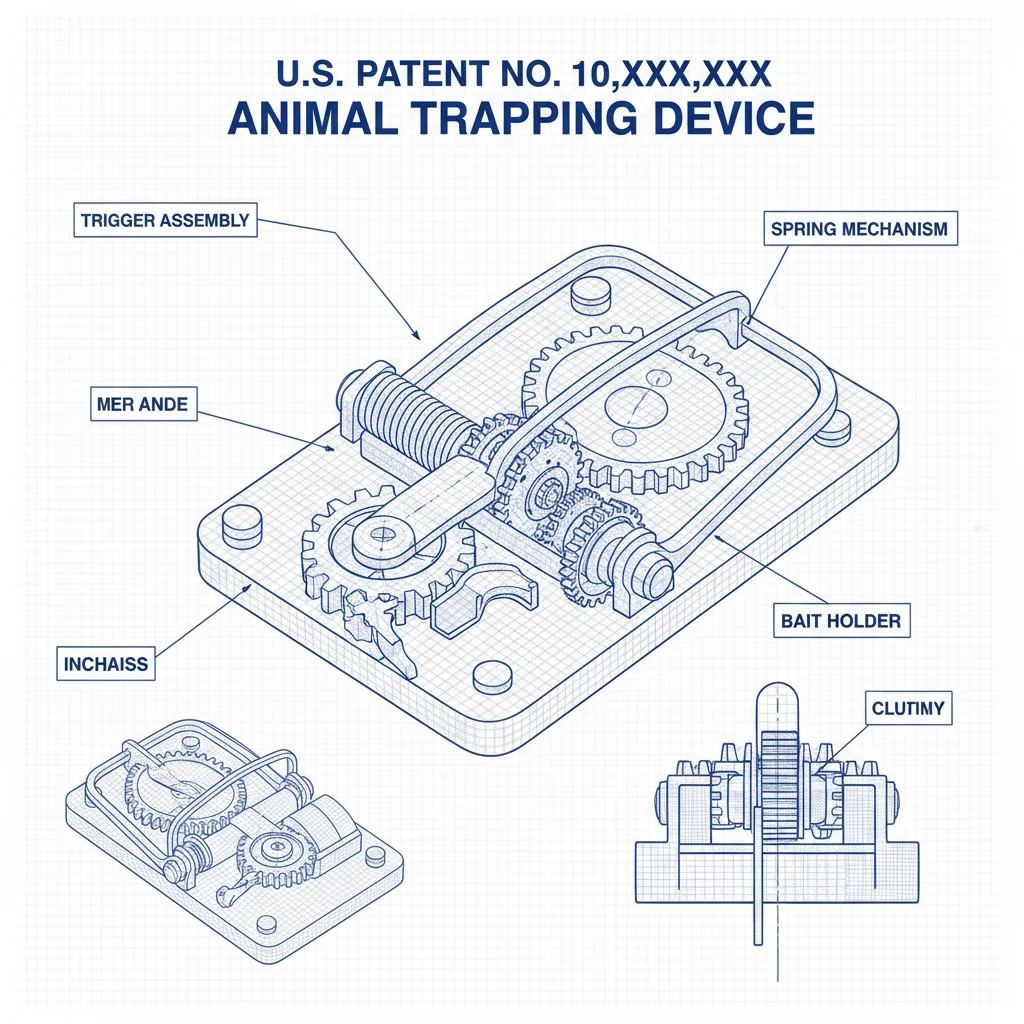
At its core, an animal trap is a device engineered to remotely or automatically restrain an animal. This encompasses a wide range of designs, from simple snare traps to sophisticated electronic systems. Crucially, the defining characteristic isn't merely capture, but the control over the interaction, often involving minimal or no direct human intervention.

This concept extends beyond wildlife management. In industrial settings, animal trap principles are employed in remote monitoring systems that trigger alerts upon detecting unauthorized access or equipment malfunction. The ability to initiate action based on pre-defined conditions is central to the definition.

Understanding animal trap in this broader context reveals its potential as a core component in various automated systems. It provides a reliable mechanism for initiating response protocols in scenarios where real-time intervention is impractical or dangerous.

Core Components of an animal trap

Several key factors determine the effectiveness and suitability of an animal trap for a specific application. Durability is paramount, especially in harsh environmental conditions. The materials used must withstand weather extremes, corrosion, and potential damage from the target animal.

Scalability refers to the ability to adapt the system to different sizes or complexities. A modular animal trap design allows for easy customization and expansion, accommodating a wider range of targets or monitoring requirements. Cost efficiency is also a significant consideration, balancing performance with affordability.

Selectivity is crucial for ethical and practical reasons. A well-designed animal trap should minimize the risk of capturing non-target species, protecting biodiversity and reducing unnecessary harm. Reliability ensures consistent performance, preventing false triggers or failures that could compromise the entire system.

Global Applications and Use Cases

The applications of animal trap technology are remarkably diverse. In conservation, they are deployed to monitor endangered species populations, track migration patterns, and assess habitat health. For example, camera animal trap are used extensively in national parks to monitor wildlife activity without direct human interference.

In agriculture, animal trap are used to protect crops from pests and monitor livestock health. Automated gate systems, triggered by animal detection, can manage grazing patterns and prevent unauthorized access. In post-disaster relief operations, remote sensors based on animal trap principles can assess structural damage and locate survivors.

In remote industrial zones, animal trap are integrated into security systems to detect intrusions and prevent theft. The principle is used in environmental monitoring to detect pollution or illegal logging activities, providing crucial data for enforcement efforts.

Animal Trap Effectiveness by Method

Advantages and Long-Term Value

The benefits of deploying effective animal trap technologies are multifaceted. Economically, reduced labor costs associated with manual monitoring and maintenance translate into significant savings. A robust animal trap system also enhances sustainability by minimizing environmental impact and promoting responsible resource management.

From a social impact perspective, animal trap can contribute to community safety, protect livelihoods, and support conservation efforts. Emotionally, the peace of mind derived from knowing that infrastructure is secure or wildlife is protected adds considerable value. Logically, the reliable data provided by these systems enables informed decision-making.

Future Trends and Innovations

The future of animal trap is intrinsically linked to emerging technologies. The integration of AI and machine learning will enable predictive analytics, optimizing trap placement and response times. Advanced sensor technologies, including hyperspectral imaging and acoustic monitoring, will provide more detailed and nuanced data.

Sustainability is another driving force, with a growing focus on biodegradable materials and energy-efficient designs. Digital transformation will further enhance data management and remote control capabilities. The development of more sophisticated and humane capture methods will remain a priority, emphasizing animal welfare.

Challenges and Solutions in animal trap

Despite advancements, several challenges persist. One common limitation is the potential for false positives, triggered by non-target events. This can be mitigated through improved sensor calibration and intelligent filtering algorithms. Another challenge is the cost of deployment and maintenance, particularly in remote areas.

Solutions include the development of more affordable and energy-efficient systems, as well as the implementation of robust remote monitoring and maintenance protocols. Addressing ethical concerns surrounding animal welfare is also crucial, requiring ongoing research and refinement of trap designs.

Collaboration between researchers, engineers, and conservationists is essential to overcome these challenges and unlock the full potential of animal trap technology. Exploring innovative funding models and fostering public awareness can further accelerate progress in this critical field.

Summary of Challenges and Proposed Solutions for animal trap Implementation

Challenge Impact on animal trap Performance Proposed Solution Implementation Cost (1-10)
False Positives Reduced Trust, Wasted Resources AI-Powered Filtering, Sensor Calibration 6
High Deployment Cost Limited Scalability Modular Design, Open-Source Hardware 7
Remote Area Maintenance System Downtime, Data Loss Predictive Maintenance, Remote Diagnostics 8
Ethical Concerns (Animal Welfare) Public Opposition, Regulatory Restrictions Humane Trap Designs, Ongoing Research 5
Data Security Privacy Breaches, Misuse of Information Encryption, Secure Data Storage 4
Power Consumption Limited Operational Lifespan Energy Harvesting, Low-Power Components 9

FAQS

What are the primary ethical considerations when deploying animal trap?

Ethical deployment of animal trap necessitates prioritizing animal welfare. This includes selecting humane trap designs that minimize stress and injury, implementing regular monitoring schedules to prevent prolonged capture, and ensuring that capture is justifiable based on clear conservation or management objectives. Strict adherence to relevant regulations and guidelines is crucial, and ongoing research into trap effectiveness and animal behavior is essential.

How does the cost of animal trap systems compare to traditional monitoring methods?

While the initial investment in animal trap systems can be higher than traditional methods, long-term cost savings are often substantial. Automated monitoring reduces labor costs, minimizes the need for frequent site visits, and provides more accurate data. Furthermore, the ability to detect issues proactively can prevent costly damage or losses. A comprehensive cost-benefit analysis is essential for each specific application.

What level of technical expertise is required to operate and maintain an animal trap system?

The technical expertise required varies depending on the complexity of the system. Basic operation, such as checking traps and collecting data, may require minimal training. However, advanced features like remote monitoring, data analysis, and system maintenance often necessitate specialized skills. Partnering with experienced technicians or utilizing user-friendly software platforms can help mitigate these challenges.

How can animal trap systems be adapted for use in different environmental conditions?

Adaptability is key to successful animal trap deployment. Selecting durable materials that can withstand extreme temperatures, humidity, and corrosion is essential. Utilizing weatherproof enclosures and implementing appropriate power solutions (e.g., solar panels, battery backups) further enhance resilience. Customization of trap designs and sensor configurations may be necessary to optimize performance in specific environments.

Are there regulations governing the use of animal trap in different regions?

Yes, regulations governing animal trap vary significantly by region and often depend on the target species and intended purpose. It’s crucial to thoroughly research and comply with all applicable laws and permits before deploying any animal trap system. Regulations may address trap design, placement, monitoring frequency, and reporting requirements. Failing to comply can result in fines or legal penalties.

How is data collected from animal trap systems typically managed and analyzed?

Data collected from animal trap systems can be managed and analyzed using various methods. Many systems utilize cloud-based platforms for remote data storage and access. Data analysis tools can identify trends, track population dynamics, and assess the effectiveness of management strategies. Visualization tools, such as maps and graphs, facilitate data interpretation and communication. Ensuring data security and privacy is also paramount.

Conclusion

Animal trap, encompassing a range of technologies and approaches, has evolved from rudimentary hunting tools to sophisticated systems with applications spanning conservation, security, and disaster relief. Its core principle – remotely or automatically managing interaction – offers significant advantages in terms of efficiency, safety, and data collection. Embracing innovation in materials, sensors, and data analytics will unlock even greater potential for this versatile technology.

Looking forward, fostering collaboration between researchers, engineers, and end-users is crucial. Continued focus on ethical considerations, sustainable practices, and robust data security will ensure responsible deployment and maximize the long-term value of animal trap. To learn more about utilizing this technology, visit our website: animal trap.

Kevin Wilson

Kevin Wilson

Kevin Wilson is the North American Sales Director for Hebei Archerfish Network Technology Co., Ltd. He joined in 2020, shortly after we expanded our product line to include household items, and has been a key driver of growth in the US and Canadian markets. Kevin has a strong background in working with Amazon and eBay sellers, as well as pest control firms. He prioritizes building long-term partnerships based on trust and mutual benefit. He’s a strong advocate for our “Customer-First” approach and is known for his responsiveness and problem-solving skills. Kevin has a Bachelor’s degree in Marketing.
Previous Comprehensive Guide to Animal Traps Supplies for Effective Wildlife Management
Next Advancements in Live Animal Traps for Effective Wildlife Management

If you are interested in our products, you can choose to leave your information here, and we will be in touch with you shortly.