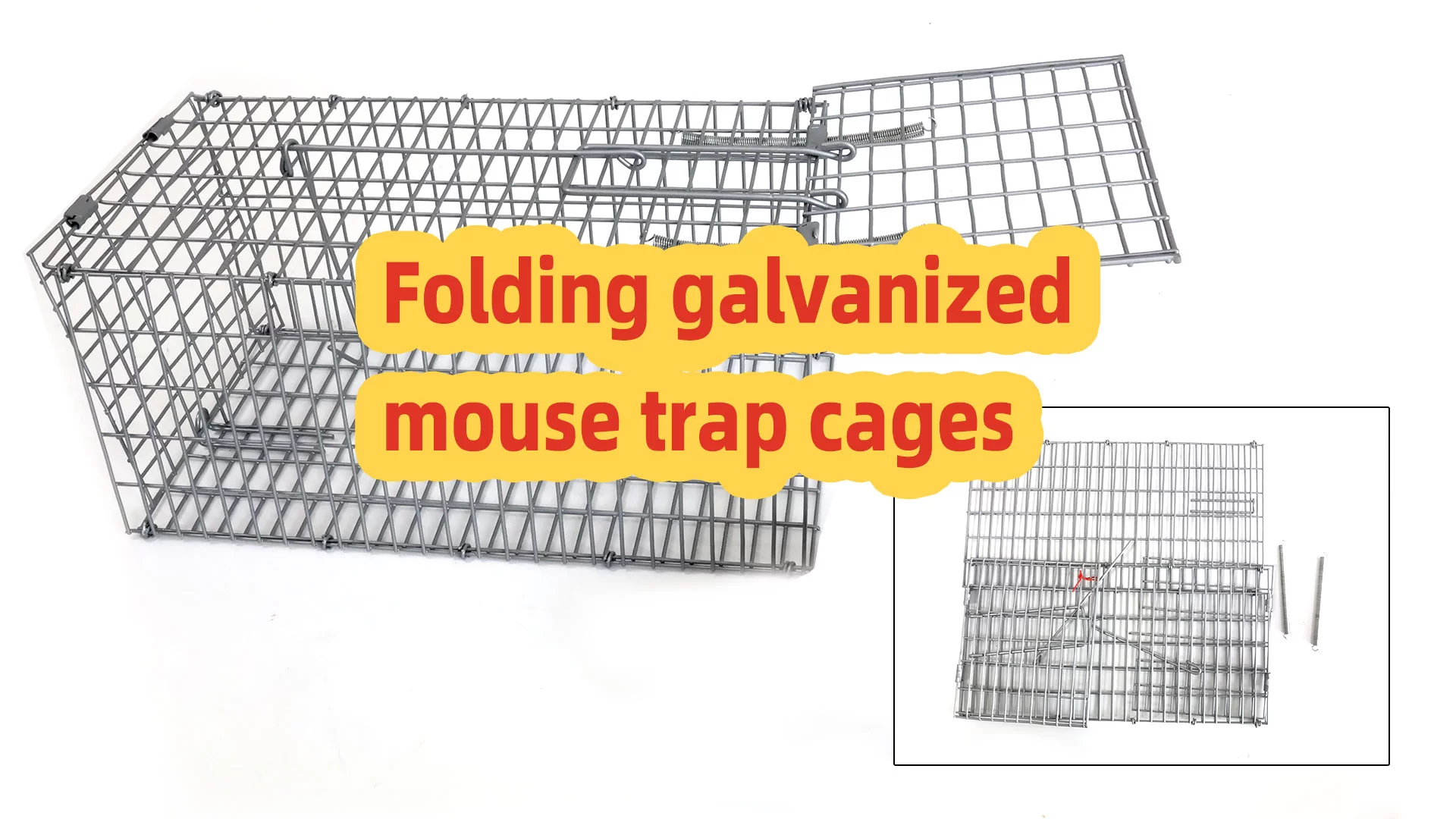
Our rodent prevention products-How to Use Mouse Traps, Mouse Trap Cages Correctly

Tired of rodents chewing furniture and stealing food? This video shows you how to effectively use rat cages, traps,  to eliminate infestations.

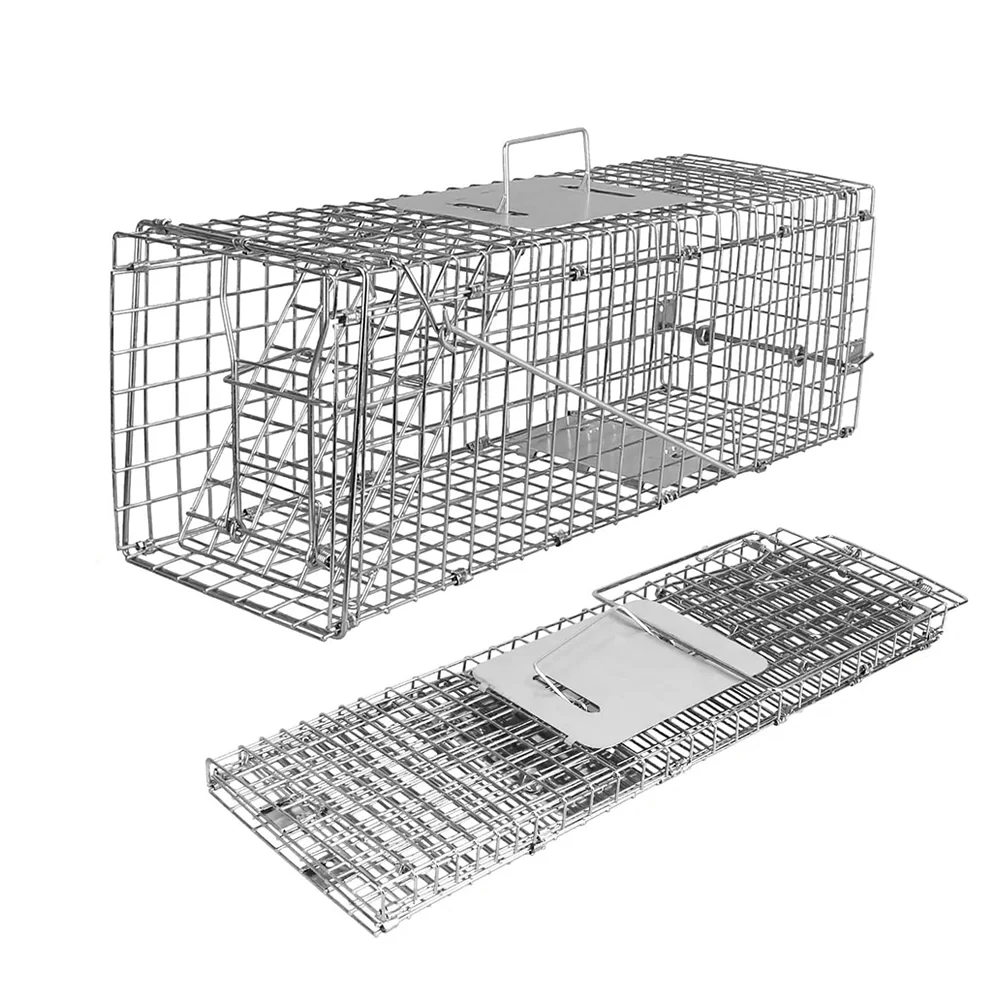
For rat cages: Choose ones with sensitive triggers. Use peanut butter mixed with oats as bait. Place along walls or rodent paths, and handle captured rats promptly to prevent escapes.

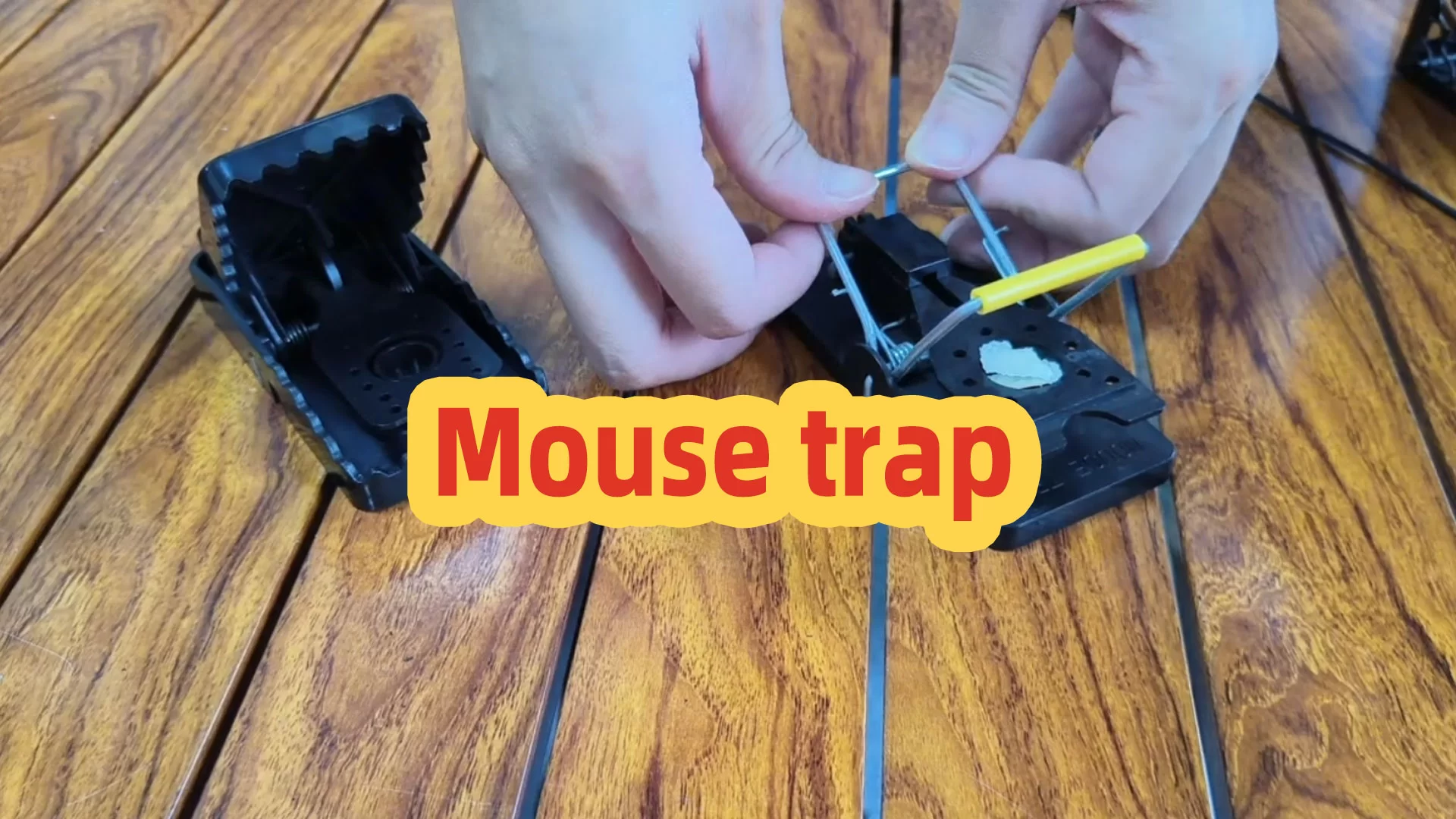
For rat traps: Set the spring, put bait in the central groove. Keep away from kids and pets, and place against walls to boost success.

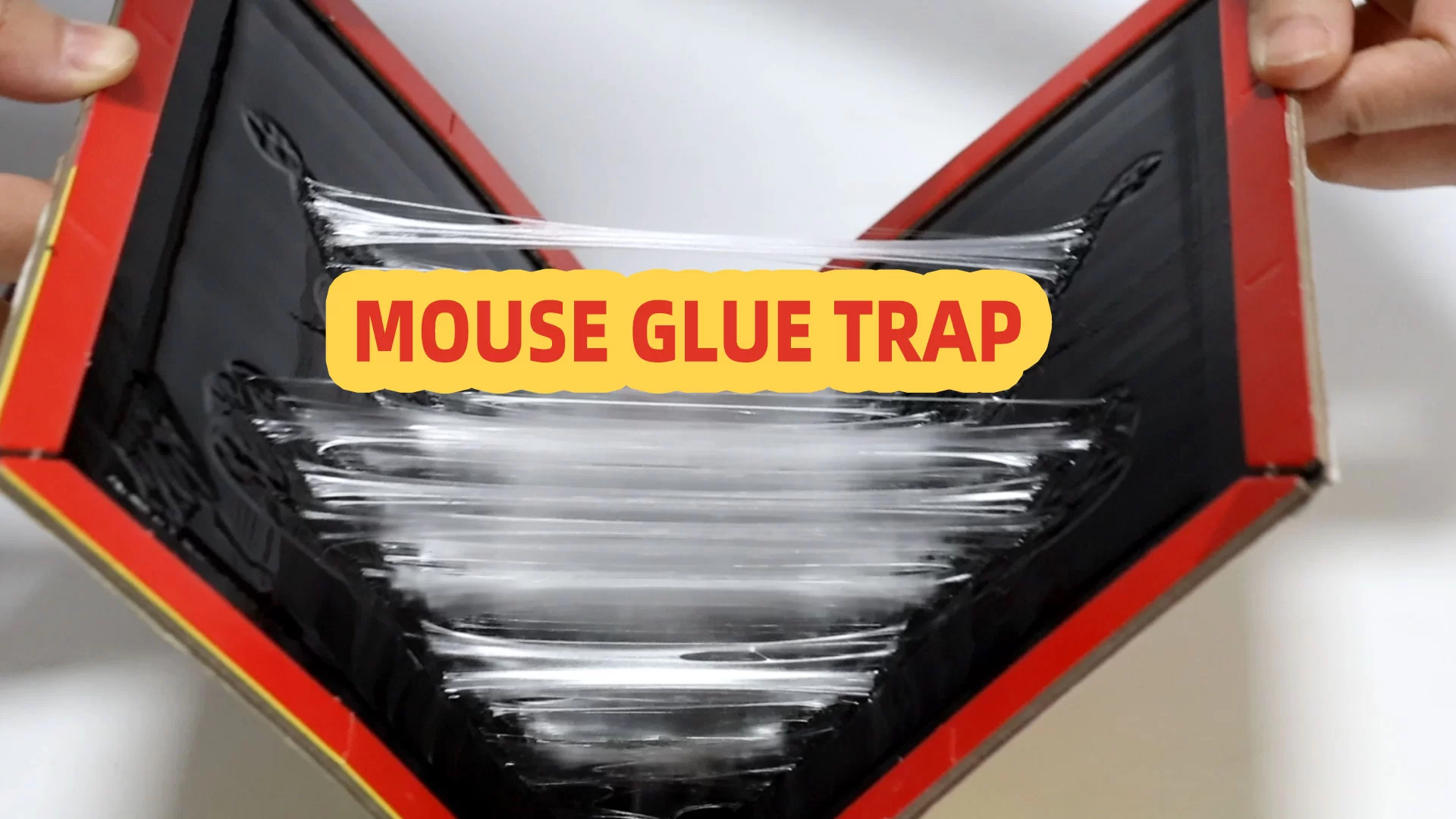
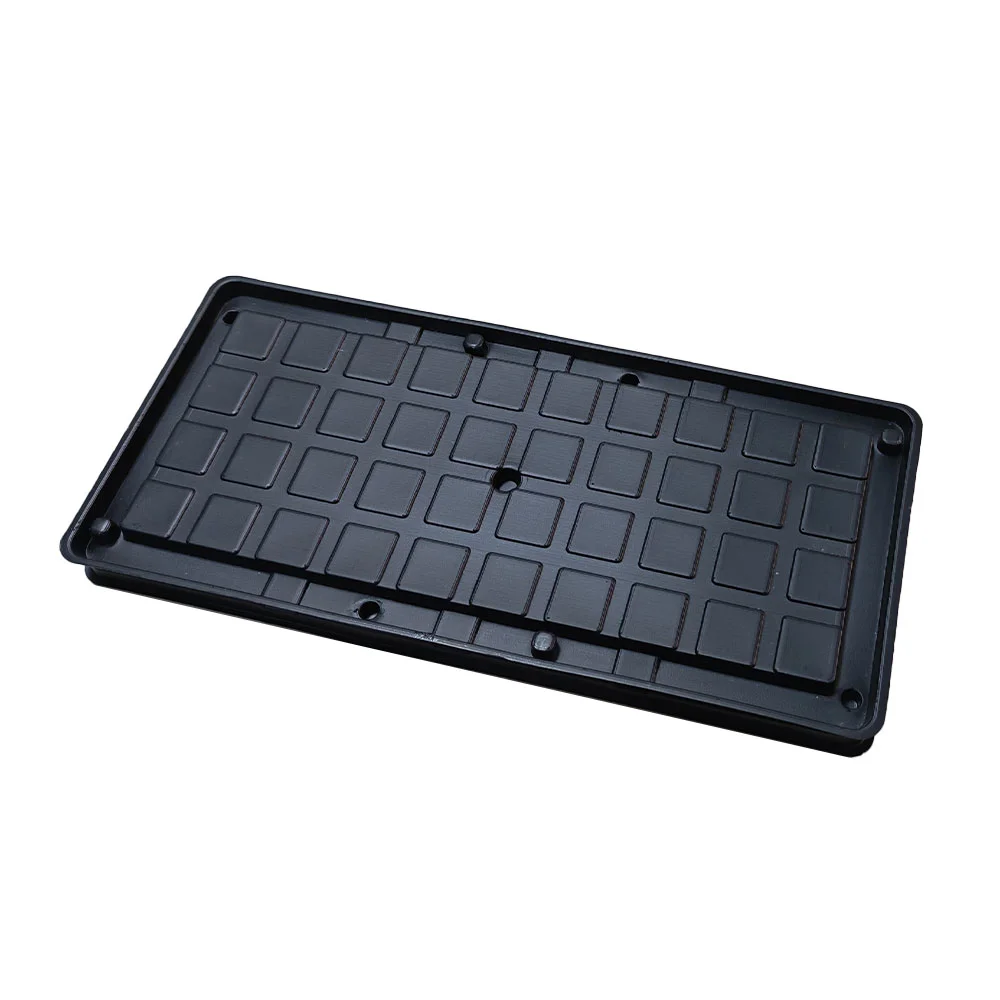
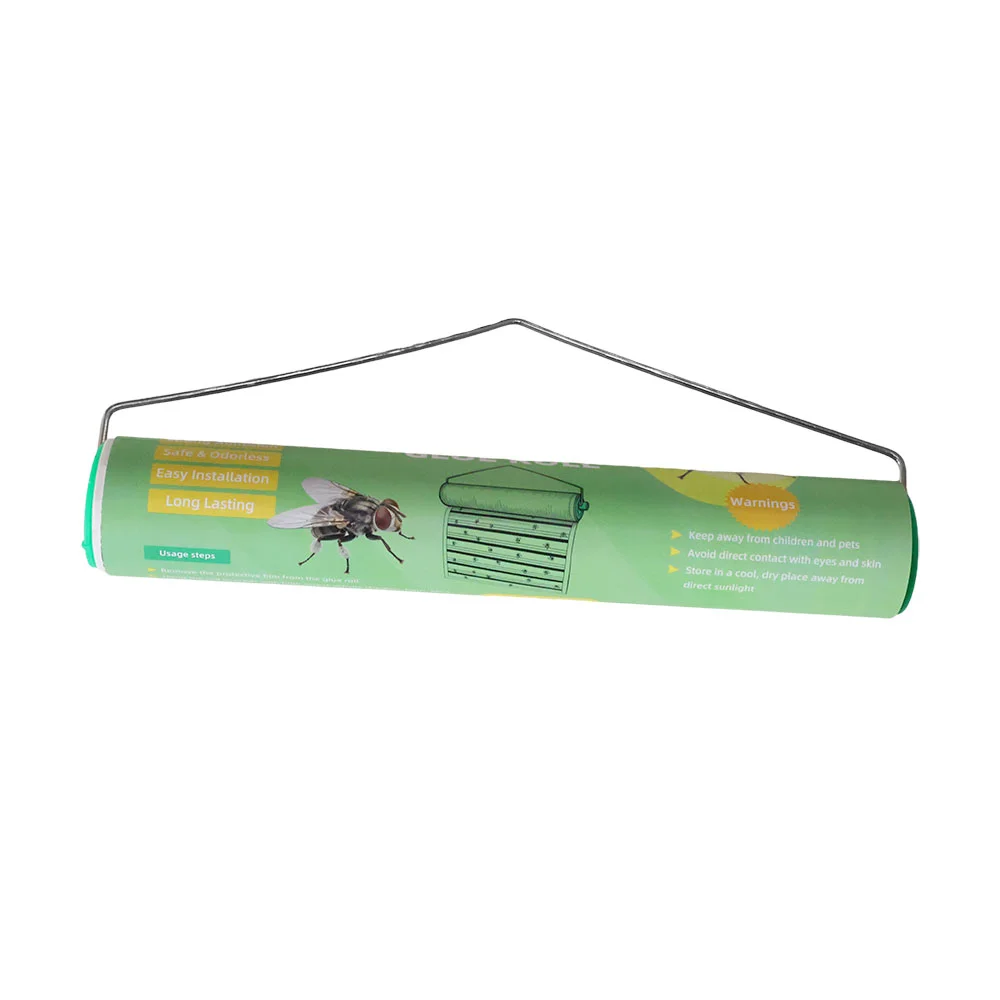
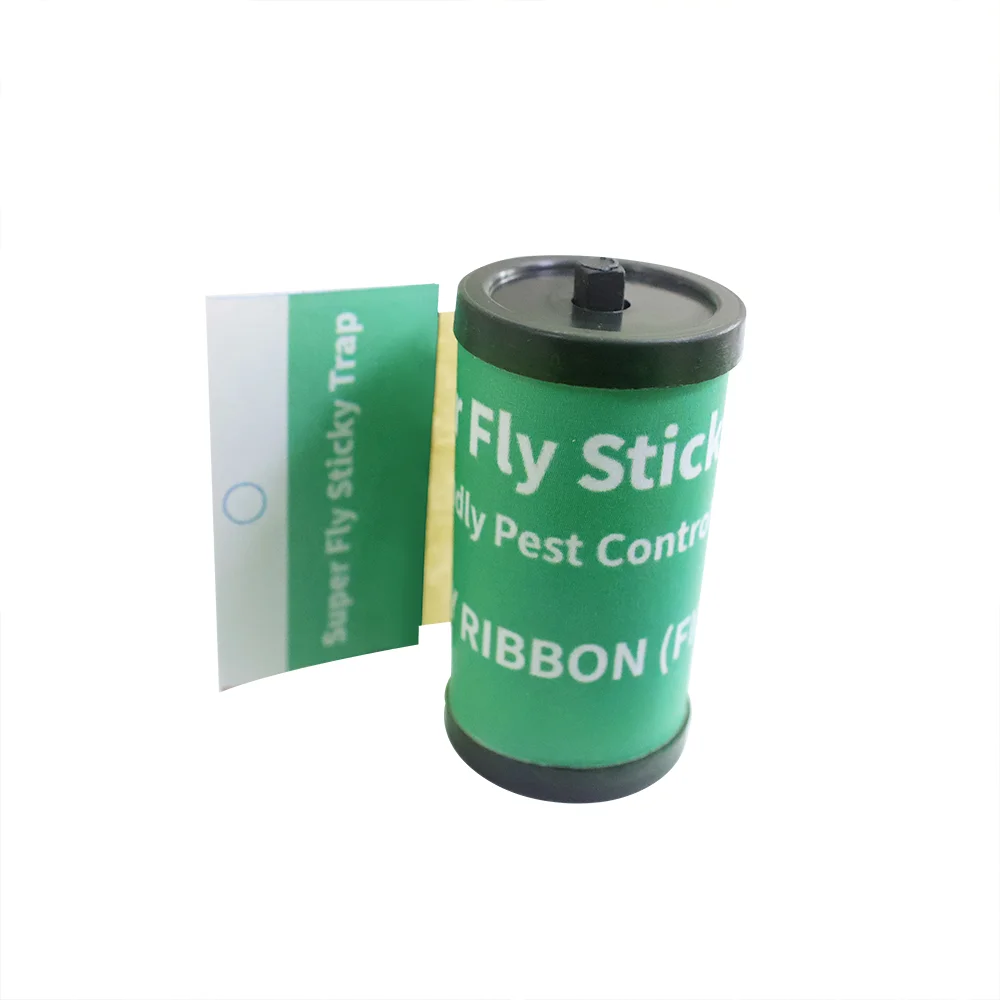
Sprinkle grains to lure rodents; discard the whole board after catching.

No chemicals, safe for homes, warehouses, and balconies. Follow our steps – even beginners can see results in 3 days. Say goodbye to recurring rodent issues!


​Bulk Solutions: Choosing the Right Sticky Trap for Bugs from Suppliers

Mar 19, 26

​Bulk Solutions: Choosing the Right Sticky Trap for Bugs from Suppliers

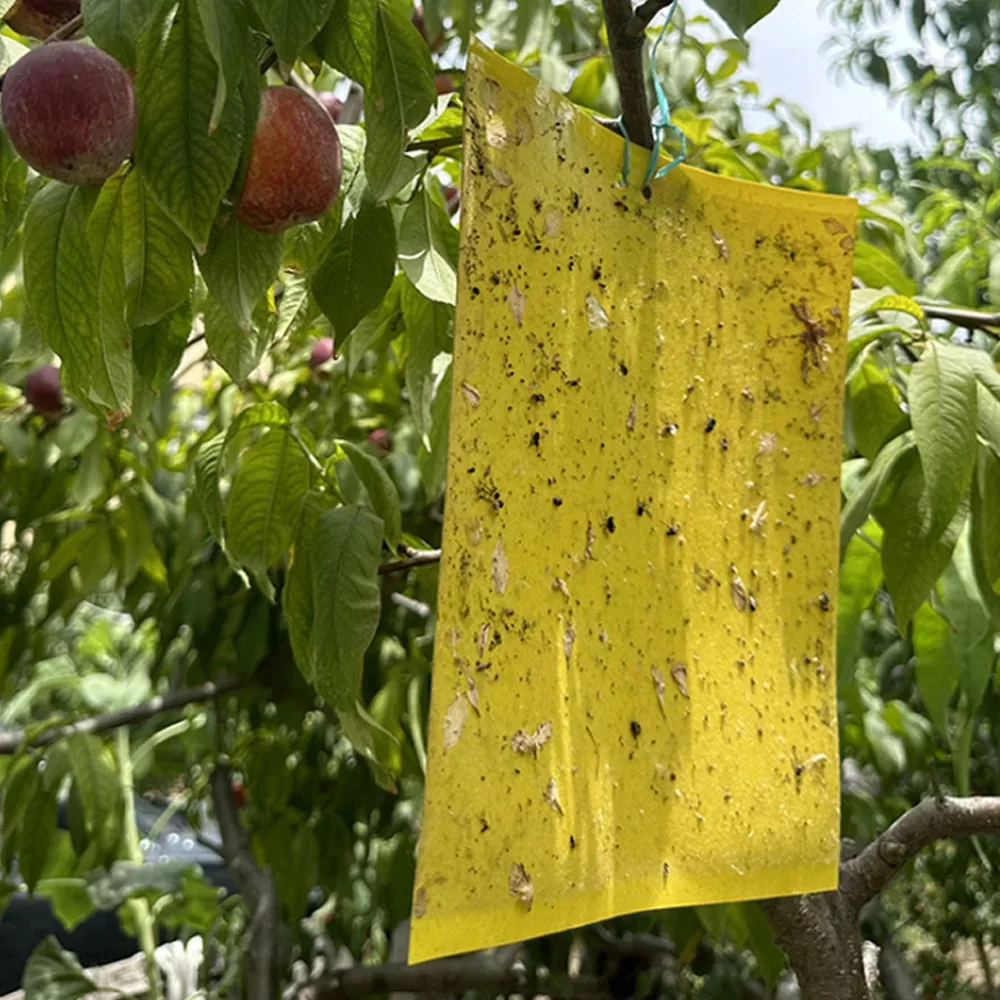
For businesses, farms, greenhouses, and large facilities, controlling pests efficiently is not just about convenience—it’s a necessity. 
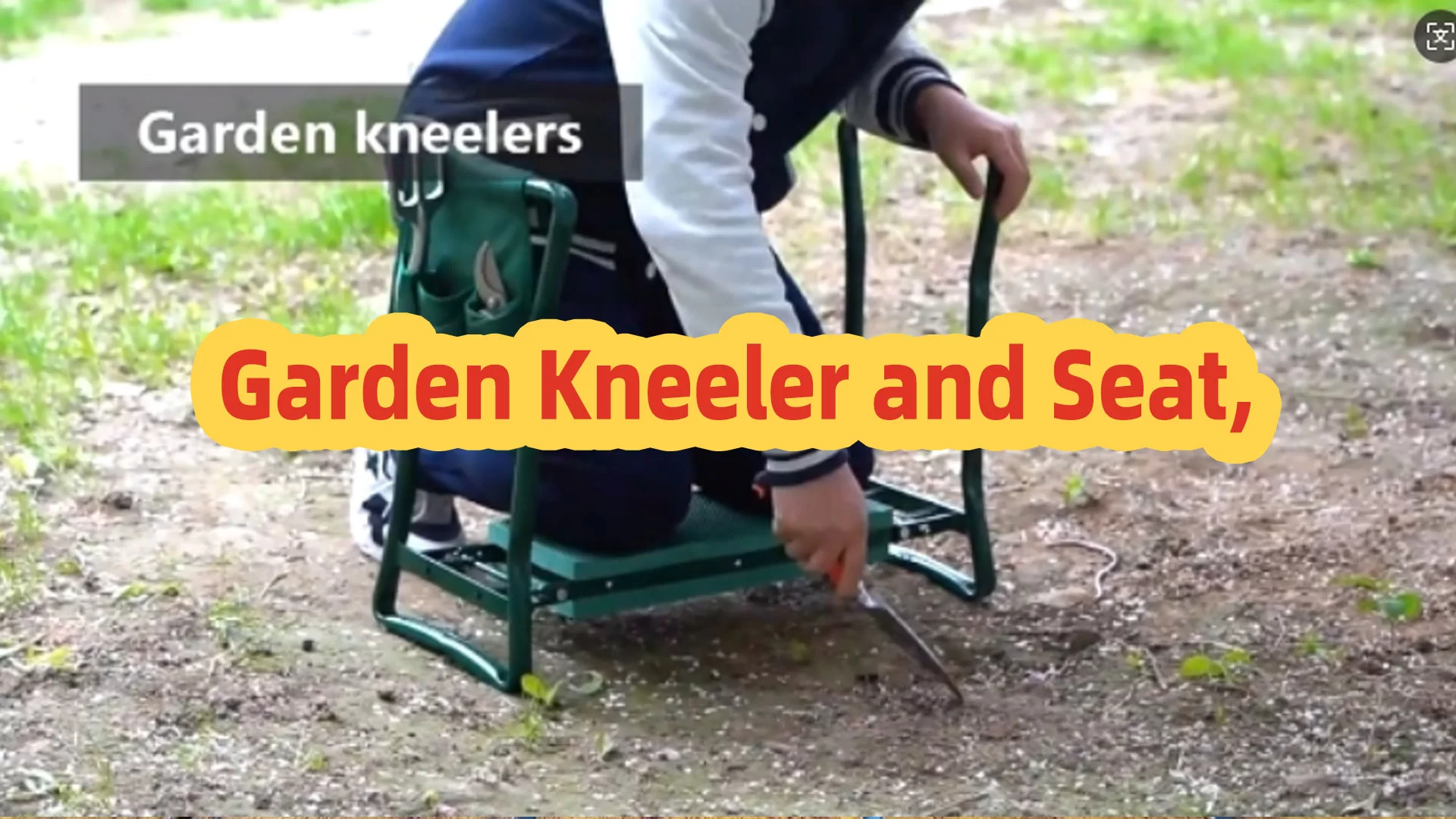
Practical Uses of Garden Kneeler and Seat Heavy Duty

Nov 04, 25

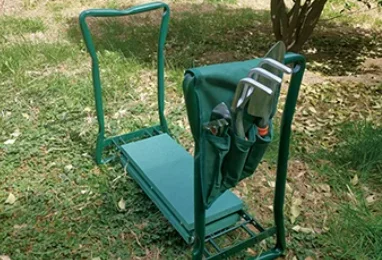
Practical Uses of Garden Kneeler and Seat Heavy Duty

For those who love spending time in the garden, comfort is just as important as productivity. 

Reliable Mouse Trap Company For Everyday Pest Control

Jan 27, 26

Reliable Mouse Trap Company For Everyday Pest Control

Modern homes, warehouses, and small businesses are facing more frequent rodent problems than ever before. 
Advancements in Live Animal Traps for Effective Wildlife Management

Feb 09, 26

Advancements in Live Animal Traps for Effective Wildlife Management

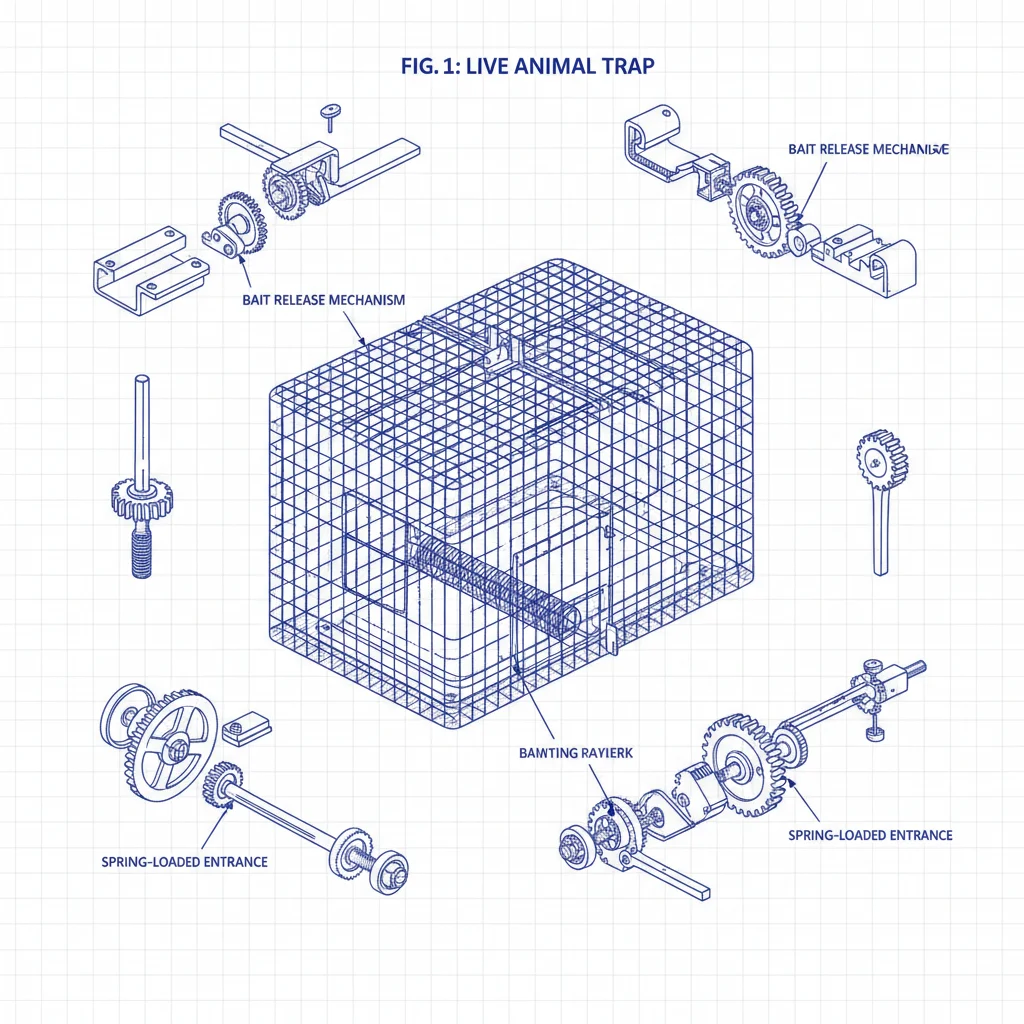
Live animal traps represent a crucial intersection of wildlife management, public safety, and humane animal control. These devices, ranging from simple box traps to sophisticated electronic systems, are utilized globally to safely capture animals for relocation, research, or control of populations. The understanding and responsible implementation of live animal trap technologies are increasingly important in a world grappling with human-wildlife conflict and the conservation of biodiversity. The significance of live animal traps extends beyond immediate problem-solving. They play a vital role in disease surveillance, allowing for the monitoring and control of zoonotic diseases. Furthermore, they’re essential for conservation efforts, facilitating species recovery programs and the study of animal behavior. Effective live animal trapping strategies require knowledge of animal behavior, trap design, and ethical considerations.

If you are interested in our products, you can choose to leave your information here, and we will be in touch with you shortly.