Large live animal traps represent a critical yet often overlooked component of modern wildlife management, conservation efforts, and even public safety initiatives. Their increasing importance stems from a global need for humane and effective methods for managing animal populations, facilitating research, and responding to human-wildlife conflict. Understanding the nuances of these traps – their design, deployment, and ethical considerations – is paramount for professionals and citizens alike.
The relevance of large live animal traps extends across diverse geographical regions and industries. From supporting wildlife research in the Amazon rainforest to mitigating crop damage by elephants in Africa, these tools play a vital role in maintaining ecological balance. Globally, the World Wildlife Fund estimates that human-wildlife conflict costs billions annually, underscoring the necessity for effective, non-lethal management strategies, of which live trapping is a key element.
The benefits of properly utilized large live animal traps are multifaceted. They offer a humane alternative to lethal control methods, facilitate valuable data collection for conservation scientists, and allow for the relocation of animals away from areas of conflict. Moreover, advancements in trap technology are increasing efficiency, reducing stress on captured animals, and enhancing overall safety for both animals and handlers.
Introduction to large live animal traps
Large live animal traps are engineered enclosures designed to capture animals without causing them significant harm. These traps are invaluable tools in wildlife management, allowing for the humane capture and handling of animals for a variety of purposes, including relocation, research, and veterinary care. The increasing demand for effective and ethical animal control solutions is driving innovation in the design and functionality of these traps.
The proper implementation of large live animal traps requires careful consideration of animal welfare, trap construction, and operational protocols. Choosing the right trap size and design is crucial for minimizing stress and preventing injury to the animal. Furthermore, adherence to local regulations and ethical guidelines is essential for responsible wildlife management. large live animal traps provide solutions to many of these scenarios.
Defining Large Live Animal Traps
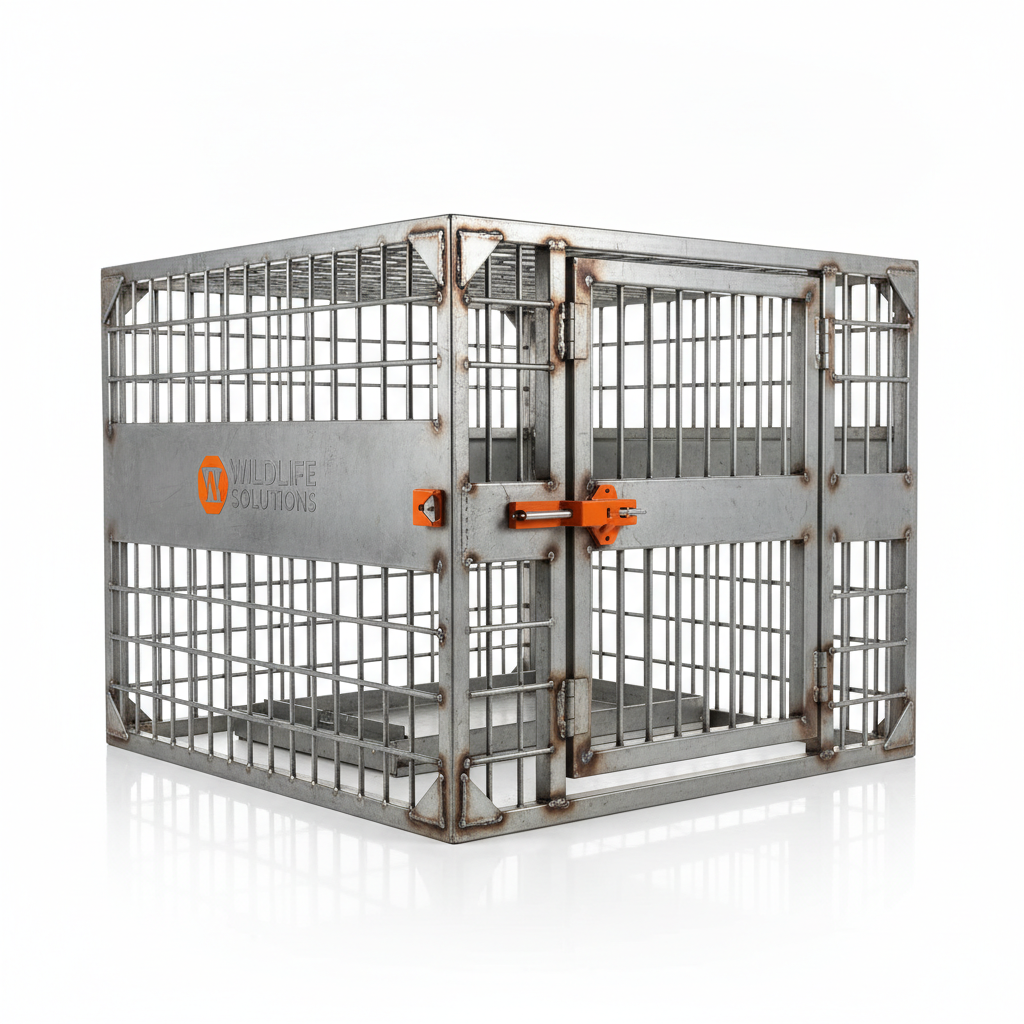
Large live animal traps, at their core, are non-lethal capture devices intended for animals exceeding a certain size or weight – typically those too large or strong for conventional small-animal traps. These traps come in various designs, including box traps, cage traps, and snare-based systems designed to restrain, rather than harm, the animal. The defining characteristic is their capacity to hold an animal safely and without causing undue stress or injury until it can be handled by trained professionals.
The connection to modern industry and humanitarian needs is significant. In urban environments, these traps are vital for managing wildlife encounters – removing animals from residential areas to prevent conflicts. In conservation, they facilitate research by allowing scientists to safely capture and study endangered species. During natural disasters, they can be used to rescue animals stranded by floods or wildfires.
Beyond direct animal welfare applications, large live animal traps contribute to public health and safety. By controlling populations of disease-carrying animals or removing potentially dangerous wildlife from populated areas, these traps help minimize risks to human communities and maintain ecological equilibrium.
Core Components of Effective Traps
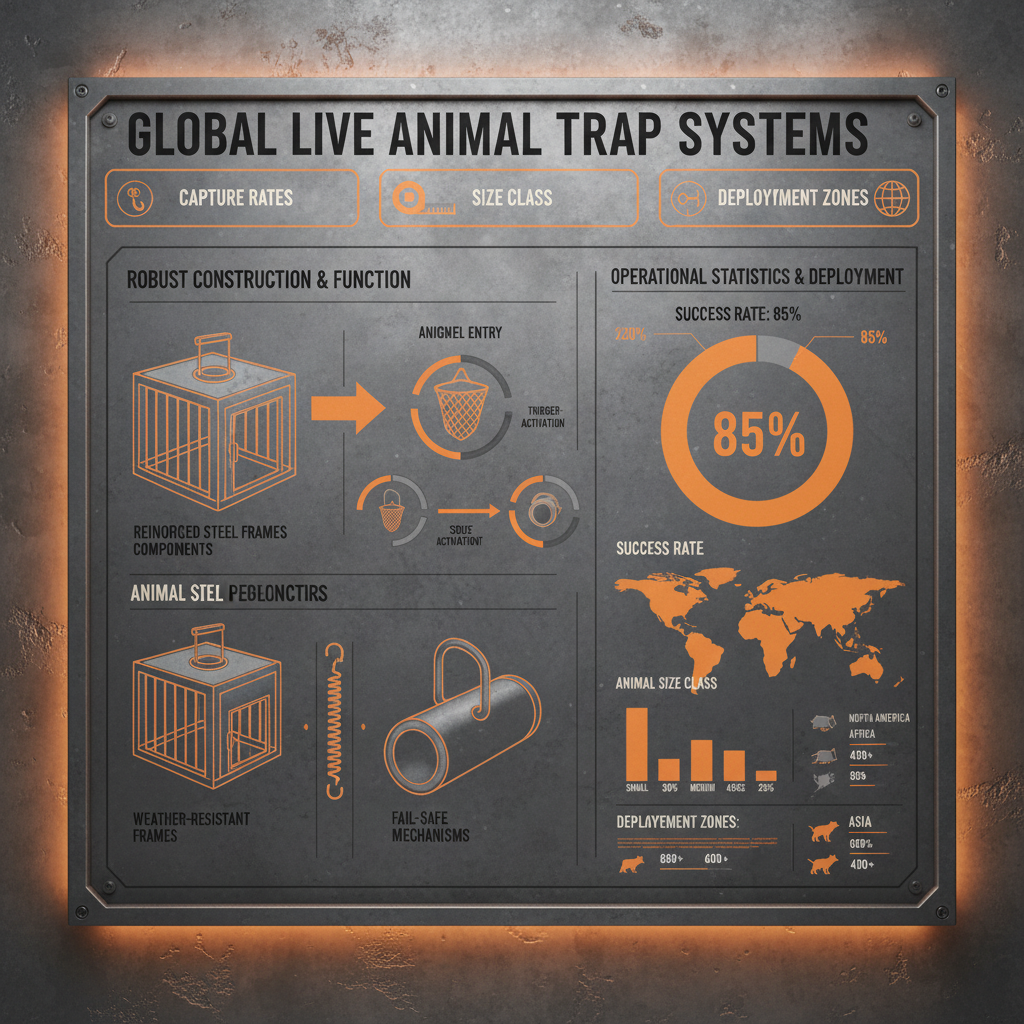
Several key factors contribute to the effectiveness and ethical operation of large live animal traps. Firstly, Durability is paramount. Traps must be constructed from robust materials – often heavy-gauge steel – to withstand the force of a captured animal and resist damage from environmental factors. Secondly, Mechanism Reliability is crucial; the triggering and locking mechanisms must function flawlessly to ensure the trap activates correctly and remains securely closed.
Another critical aspect is Size and Design. The trap must be appropriately sized for the target species to avoid causing injury or undue stress. Ventilation and weather protection are also essential design considerations. Furthermore, Portability and Ease of Deployment are vital, especially in remote field locations. Traps should be relatively easy to transport and set up quickly and efficiently.
Finally, Safety Features for both the animal and the handler are non-negotiable. This includes features like smooth interior surfaces to prevent injury, remote release mechanisms, and clearly visible warnings. The design should minimize the risk of the animal escaping or injuring itself while confined.
Global Applications and Real-World Use
Large live animal traps are deployed across a wide spectrum of applications globally. In wildlife management, they’re used to capture and relocate problem animals such as bears, mountain lions, and coyotes that pose a threat to livestock or communities. In research, these traps enable scientists to safely capture and study large mammals like elephants, rhinos, and gorillas, gathering vital data for conservation efforts.
Several regions and organizations rely heavily on these tools. In Africa, conservation agencies employ large live animal traps to capture and translocate elephants to safer habitats, mitigating human-wildlife conflict. In North America, state wildlife departments use them to manage populations of black bears and other large predators. International organizations like the WWF and IUCN support the use of humane trapping methods in various conservation projects.
In post-disaster relief operations, large live animal traps can assist in rescuing animals trapped by floods or wildfires. In remote industrial zones, they help manage wildlife populations near infrastructure and worker camps. These versatile tools prove invaluable in a diverse range of challenging environments.
Effectiveness of Different large live animal traps Methods
Advantages and Long-Term Value
The advantages of utilizing large live animal traps are substantial. Cost-effectiveness is a key benefit; avoiding lethal control methods can reduce long-term management expenses. Sustainability is enhanced by preserving animal populations and maintaining ecosystem health. Socially, these traps promote a more humane approach to wildlife management, fostering positive public perception and support for conservation efforts.
Beyond these tangible benefits, there’s significant long-term value. Reliability in data collection – achieved through capturing and studying animals – informs more effective conservation strategies. The emphasis on animal welfare builds trust with local communities and stakeholders. And the continuous innovation in trap design contributes to a safer and more efficient approach to wildlife management. large live animal traps solutions are constantly evolving.
Future Trends and Innovation
The future of large live animal traps is poised for significant advancements. One key trend is the integration of smart technologies, such as remote monitoring systems that transmit real-time data on trap activity, animal behavior, and environmental conditions. This allows for more efficient and responsive management strategies.
Materials science is also playing a role, with the development of lighter, stronger, and more corrosion-resistant trap components. Furthermore, advancements in trap design focus on minimizing animal stress and improving safety for both animals and handlers. Digital transformation, through data analytics and AI-powered decision-making, will optimize trap deployment and effectiveness.
Challenges and Solutions
Despite their benefits, the use of large live animal traps faces challenges. One common limitation is the potential for non-target captures – capturing animals other than the intended species. Another challenge is the risk of animal stress and injury during capture and confinement. Logistical hurdles, such as transportation and veterinary care for captured animals, can also be significant.
Solutions include employing more selective trap designs, utilizing baiting strategies tailored to the target species, and implementing rigorous monitoring protocols. Providing adequate ventilation, shade, and water within the trap minimizes animal stress. Establishing partnerships with local veterinarians and wildlife rehabilitation centers ensures timely and appropriate care for captured animals.
Investing in training programs for trap operators and promoting best practices are also crucial for addressing these challenges. Continuous research and development are essential for refining trap designs and improving the overall effectiveness and ethical standards of live trapping operations.
Summary of Key Challenges and Solutions for large live animal traps
| Challenge Area |
Severity (1-10) |
Potential Solution |
Implementation Cost (USD) |
| Non-Target Captures |
7 |
Species-Specific Baiting & Trap Design |
500-2000 |
| Animal Stress & Injury |
8 |
Trap Padding, Ventilation & Quick Release |
200-1000 |
| Logistics & Transportation |
6 |
Pre-Arranged Vet Services & Transport |
1000-5000 |
| Operator Training |
9 |
Certified Wildlife Handling Courses |
300-1500 per operator |
| Trap Maintenance & Repair |
5 |
Regular Inspections & Replacement Parts |
100-500 annually |
| Regulatory Compliance |
7 |
Staying Updated on Local & National Laws |
100-300 annually (legal consultation) |
FAQS
Selecting the right large live animal trap requires careful evaluation of the target species' size, weight, behavior, and strength. Trap dimensions must be appropriate to allow the animal to enter comfortably without injury, and the trap's construction must be robust enough to withstand the animal's attempts to escape. Consider the animal’s natural tendencies – some species prefer enclosed spaces, while others are more cautious. Ensure the trap’s design minimizes stress and potential harm to the animal during capture and confinement.
Large live animal traps should be checked frequently, ideally at least twice daily, and preferably more often in extreme weather conditions. Prolonged confinement can cause significant stress and potentially harm to the animal. Regular checks ensure that captured animals are not left exposed to the elements for extended periods and allow for prompt release or veterinary attention if needed. Local regulations may also specify minimum check intervals, so compliance is vital.
Handling a trapped animal requires extreme caution. Always wear appropriate protective gear, including gloves and eye protection. Approach the trap slowly and calmly to avoid startling the animal. Use a remote release mechanism whenever possible to minimize direct contact. If manual release is necessary, follow established protocols for safely opening the trap and handling the animal, ideally with the assistance of a trained professional.
Ethical considerations are paramount. Minimize animal stress by using appropriately sized traps, providing adequate ventilation and weather protection, and checking traps frequently. Avoid causing unnecessary harm or suffering. Ensure the trapping process aligns with relevant wildlife management regulations and guidelines. Humane treatment of animals is essential, and lethal capture should only be considered as a last resort when all other options have been exhausted.
The legal framework governing the use of large live animal traps varies significantly by region and jurisdiction. Most areas require permits or licenses for trapping activities, and specific regulations may apply regarding trap types, baiting methods, and release locations. It's crucial to familiarize yourself with local, state, and federal laws before deploying any trap. Non-compliance can result in fines, penalties, and legal repercussions.
To minimize non-target captures, carefully consider bait selection, using species-specific attractants whenever possible. Trap placement is also crucial; avoid areas frequented by non-target animals. Utilize trap designs that reduce the likelihood of accidental capture, such as those with selective entry mechanisms. Regularly monitor traps and promptly release any non-target animals that are captured, ensuring their safety and well-being.
Conclusion
Large live animal traps represent a crucial tool for responsible wildlife management, conservation, and public safety. Their ability to provide a humane alternative to lethal control methods, facilitate valuable research, and mitigate human-wildlife conflict makes them increasingly important in a world facing growing environmental challenges. By understanding the core principles of trap design, deployment, and ethical operation, we can maximize their effectiveness and minimize their potential risks.
Looking ahead, continued innovation in trap technology, coupled with rigorous training for operators and a commitment to ethical best practices, will be essential for ensuring the sustainable and humane use of these tools. Further research into animal behavior and trap design will further refine their effectiveness and minimize stress on captured animals. Visit our website at www.hbarcherfish.com to explore our range of large live animal traps and learn how we can help you address your wildlife management needs.